
Deploy aria2 with Docker and Use WebSocket RPC
This guide deploys aria2 in Docker and connects a browser controller over JSON-RPC. It also explains why WebSocket RPC is preferable to aggressive HTTP polling and how to put an intentionally remote endpoint behind TLS and access controls.
Background: Why HTTP Polling Caused High CPU Use
My home connection did not include a public IP address, so I used a tunneling service to reach services on the home network. The tunnel server later showed about 90% CPU usage:

The browser extension Aria2 Explorer had been configured with HTTP RPC:
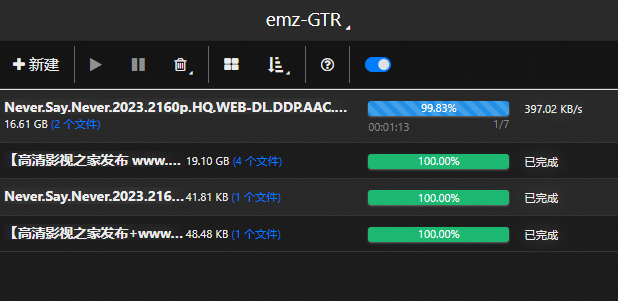
In this setup, repeated status polling generated substantial work for the tunnel. Switching the client to ws:// reduced the observed load because a WebSocket connection could carry ongoing RPC traffic without repeatedly establishing the same request pattern.
That result is specific to this deployment. High CPU can also come from encryption, logging, reconnection loops, too many tasks, or the tunnel itself. Measure request rate and process usage before assuming WebSocket is the only fix.
1. Install Docker from Official Instructions
Use Docker's current Debian installation guide or the matching page for your operating system. The original one-line get.docker.com command is convenient, but an administrator should review the script and package source before running it on a server.
Confirm the installation:
docker version2. Prepare Directories and a Secret
Create persistent directories owned by the user who will manage downloads:
mkdir -p "$HOME/aria2/config" "$HOME/aria2/downloads"Generate a long random RPC secret and store it in a file readable only by your account:
umask 077
openssl rand -hex 32 > "$HOME/aria2/rpc-secret"
Do not use passwd, the image's default token, or a secret copied from this page.
3. Start Aria2 Pro
The following command follows the current Aria2 Pro Docker image documentation, with an important security change: the RPC port is bound to loopback instead of every network interface.
docker run -d \
  --name aria2-pro \
  --restart unless-stopped \
  --log-opt max-size=1m \
  -e PUID="$(id -u)" \
  -e PGID="$(id -g)" \
  -e UMASK_SET=022 \
  -e RPC_SECRET="$(cat "$HOME/aria2/rpc-secret")" \
  -e RPC_PORT=6800 \
  -p 127.0.0.1:6800:6800 \
  -e LISTEN_PORT=6888 \
  -p 6888:6888/tcp \
  -p 6888:6888/udp \
  -v "$HOME/aria2/config:/config" \
  -v "$HOME/aria2/downloads:/downloads" \
  p3terx/aria2-pro
The variables mean:
PUIDandPGIDmap downloaded-file ownership to the current account.RPC_SECRETauthenticates JSON-RPC calls.127.0.0.1:6800:6800prevents direct remote access to RPC.- TCP and UDP port
6888are used for BitTorrent and DHT listening. /configand/downloadspersist configuration and downloaded files.
Inspect startup:
docker ps --filter name=aria2-pro
docker logs --tail 100 aria2-pro
Pin an image digest or tested version for production instead of accepting an unreviewed future latest image automatically.
Do not expose port 6800 directly
An aria2 RPC client can add downloads and influence files written by the service. A secret is necessary but is not a complete public-internet security layer. Prefer a private VPN. If remote web access is required, use TLS, authentication, source restrictions, and rate limits in front of the loopback-bound RPC service.
4. Configure Aria2 Explorer
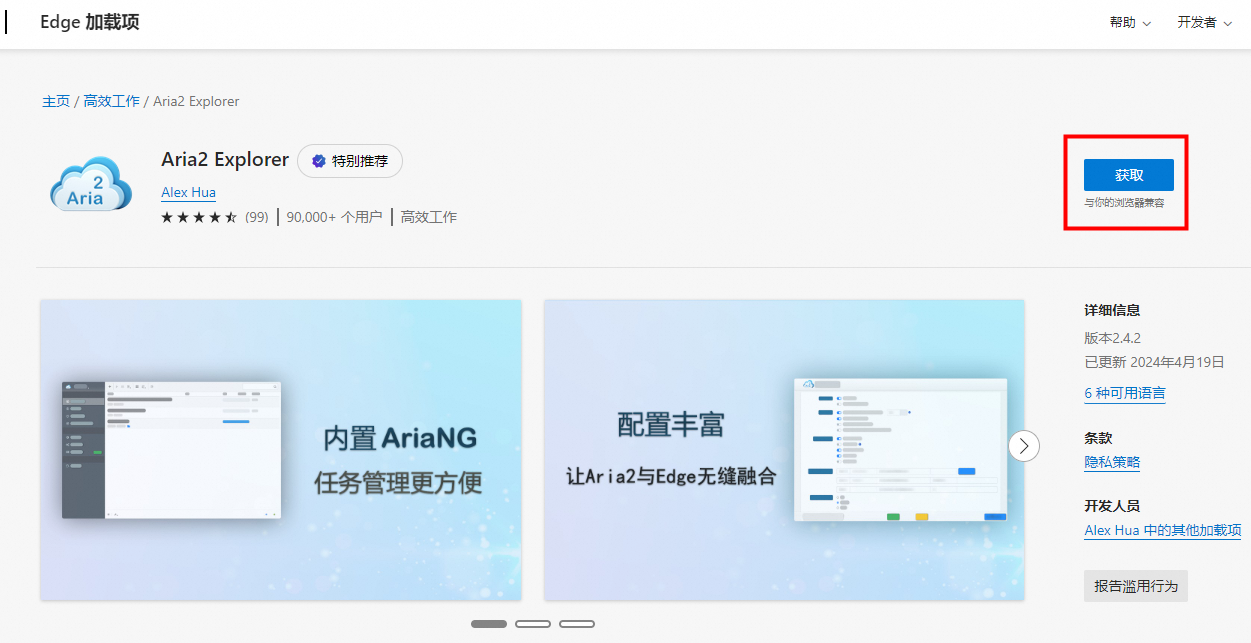
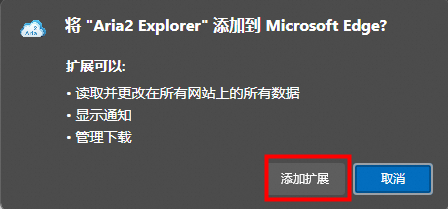
Install the extension from its official browser-store listing:
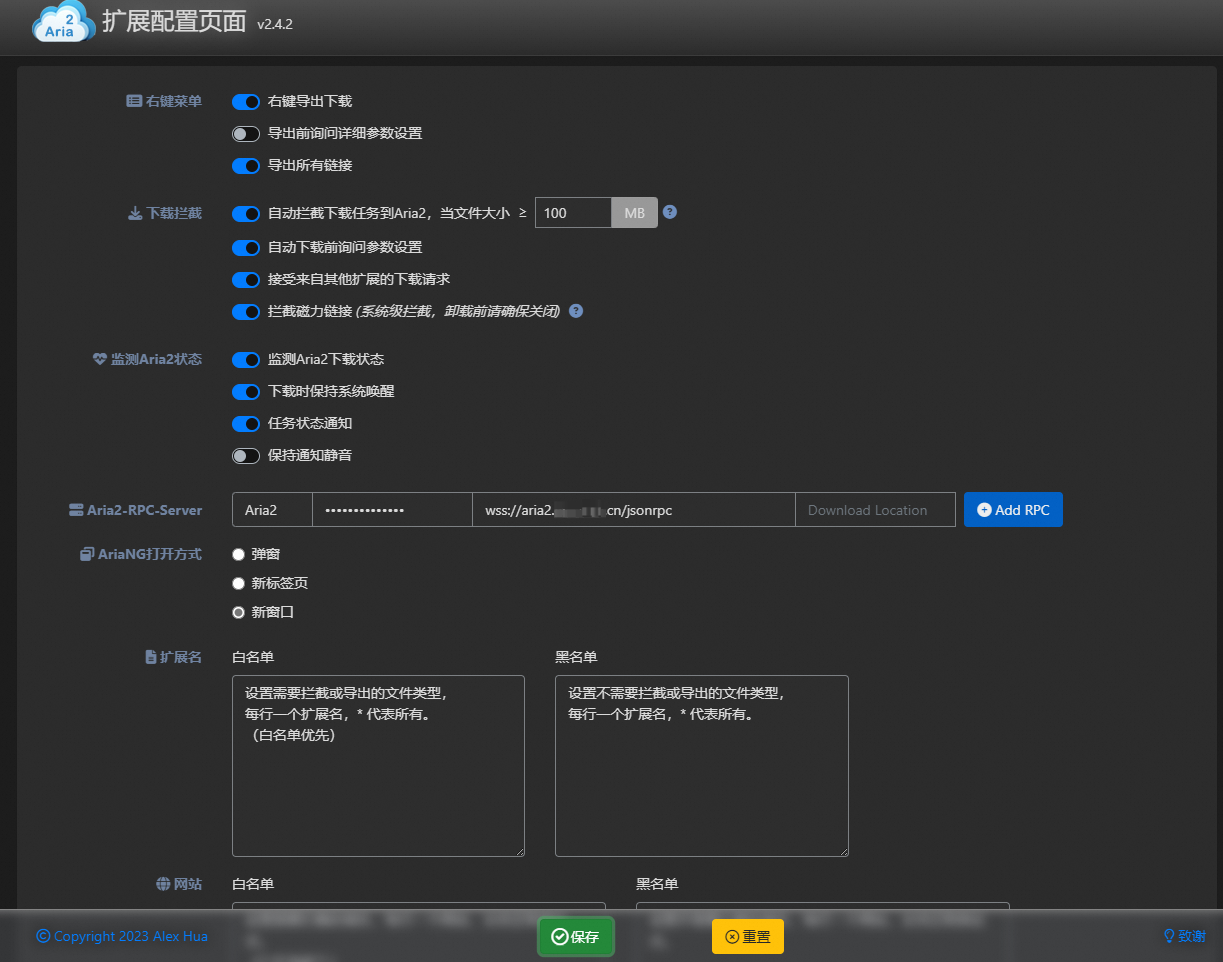
In its connection settings:
- Secret Key is the value stored in
~/aria2/rpc-secret. - RPC URL ends in
/jsonrpc. - Use
ws://only on a trusted private network. - Use
wss://for a TLS-protected remote endpoint.
Private-network example:
ws://192.168.1.20:6800/jsonrpcRemote TLS example:
wss://aria2.example.com/jsonrpcThe loopback binding in the Docker command means a LAN client cannot use the first example unless you deliberately change the binding and firewall rules. Keeping RPC private is the safer default.
5. Reverse Proxy WebSocket RPC with Nginx
The original configuration included obsolete TLS 1.1 and legacy 3DES/RSA cipher choices. Modern Nginx should use a current TLS baseline managed for your distribution. The essential WebSocket proxy configuration is:
map $http_upgrade $connection_upgrade {
    default upgrade;
    ''      close;
}

upstream aria2_rpc {
    server 127.0.0.1:6800;
    keepalive 16;
}

server {
    listen 80;
    server_name aria2.example.com;
    return 301 https://$host$request_uri;
}

server {
    listen 443 ssl;
    http2 on;
    server_name aria2.example.com;

    ssl_certificate     /etc/letsencrypt/live/aria2.example.com/fullchain.pem;
    ssl_certificate_key /etc/letsencrypt/live/aria2.example.com/privkey.pem;
    ssl_protocols TLSv1.2 TLSv1.3;

    # Add an authentication layer appropriate for your environment.
    # Restrict source addresses here as well when possible.

    location = /jsonrpc {
        proxy_pass http://aria2_rpc;
        proxy_http_version 1.1;
        proxy_set_header Host $host;
        proxy_set_header X-Real-IP $remote_addr;
        proxy_set_header X-Forwarded-For $proxy_add_x_forwarded_for;
        proxy_set_header X-Forwarded-Proto $scheme;
        proxy_set_header Upgrade $http_upgrade;
        proxy_set_header Connection $connection_upgrade;
        proxy_read_timeout 300s;
        proxy_send_timeout 300s;
        proxy_buffering off;
    }
}
Replace the hostname and certificate paths. If a tunnel exposes aria2 on a different loopback port, use that port in the upstream block.
Validate before reload:
sudo nginx -t
sudo systemctl reload nginx
Use a private tunnel or VPN when possible. If the service must be internet-facing, add an authenticated gateway; the aria2 RPC secret travels within JSON-RPC calls and should not be the only boundary.
6. Troubleshoot CPU and Connection Problems
Check each layer:
docker stats aria2-pro
docker logs --tail 200 aria2-pro
sudo ss -lntp | grep -E ':(6800|6888)\\b'
On the proxy, inspect:
- request and WebSocket upgrade counts;
- repeated
101,400,401,499, or502responses; - reconnect loops;
- TLS CPU usage;
- tunnel process CPU and bandwidth; and
- whether the browser controller is open in many tabs.
Confirm that a successful WebSocket handshake returns HTTP 101 Switching Protocols. If it does not, verify the /jsonrpc path and the Upgrade and Connection headers.
Security and Legal Notes
Download only material you are authorized to obtain and share. Keep the container and host patched, limit write permissions on the download directory, scan untrusted files before opening them, and do not expose the Docker socket or aria2 configuration directory to unrelated services.